

How Does PET Support the Economy?
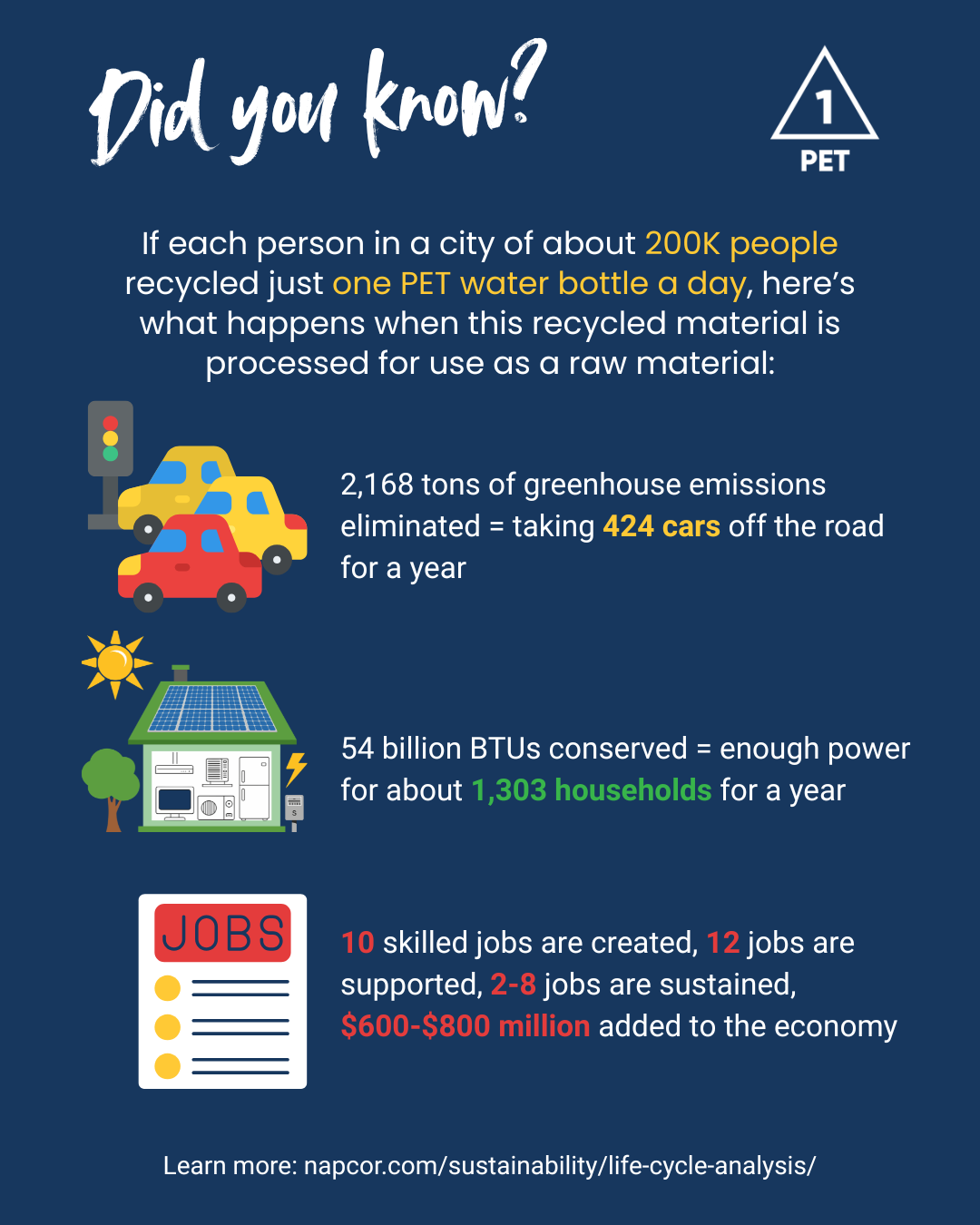
PET plastic recycling supports jobs, strengthens domestic manufacturing, and contributes significantly to economic activity across North America.
PET (polyethylene terephthalate ♳) recycling supports jobs, strengthens domestic manufacturing, and contributes to economic growth by keeping valuable materials in use. From collection and sorting to processing and manufacturing, PET recycling is part of a larger system that supports workers, businesses, and communities.

How Big Is PET’s Economic Impact?
The PET industry plays a significant role in the global and US economy:
🌍 The PET industry generates approximately $41 billion in global revenue
♻️ The plastics industry supports more than a million jobs in the US, many of them connected to PET
💼 An estimated 265,000 jobs are supported by PET in the US*
*Estimate calculated by comparing total US plastics industry employment (source: US Bureau of Labor Statistics, 2017) with employment at NAPCOR member companies.
Today, PET continues to support a wide range of industries—from food and beverage packaging to apparel and carpet manufacturing.
PET’s Economic Impact at a Glance
💼 Supports hundreds of thousands of jobs across the value chain
🏭 Strengthens domestic manufacturing with recycled materials
🔁 Keeps valuable materials in circulation
📈 Drives investment in recycling infrastructure and technology
How Does PET Recycling Support Jobs?
Recycling PET creates jobs at every stage of the process, including:
✅ Collection and transportation
✅ Sorting and processing at recycling facilities
✅ Manufacturing using recycled PET (rPET)
These roles span local communities and national supply chains, supporting employment in both urban and rural areas.
How Does PET Recycling Support Manufacturing?
Recycled PET is used to make a wide range of products, including:
✅ New bottles and food-grade packaging
✅ Fibers for clothing and textiles
✅ Packaging materials and consumer goods
By supplying manufacturers with recycled PET, PET recycling supports domestic production and reduces reliance on virgin (new) resources.
How Does PET Fit Into the Circular Economy?
In a circular economy, materials are kept in use for as long as possible.
PET recycling supports this by:
✅ Turning used bottles into new products
✅ Reducing waste
✅ Extending the life of materials
This approach helps create a more efficient system where materials continue to provide value over time.
Why Does Recycling Infrastructure Matter?
Recycling systems depend on infrastructure, from collection programs to processing facilities.
Investments in recycling infrastructure:
✅ Create jobs
✅ Improve material recovery
✅ Support local economies
✅ Help ensure materials like PET are reused instead of discarded
Strong systems make it easier to collect and recycle PET, which in turn strengthens the broader economy.
Why Does Domestic Recycling Matter?
When PET is recycled locally:
✅ Materials stay within the domestic economy
✅ Manufacturers have access to recycled inputs
✅ Communities benefit from jobs and investment
Strengthening domestic recycling systems helps ensure that valuable materials are recovered and reused.

A Positive Impact on Adverse Events
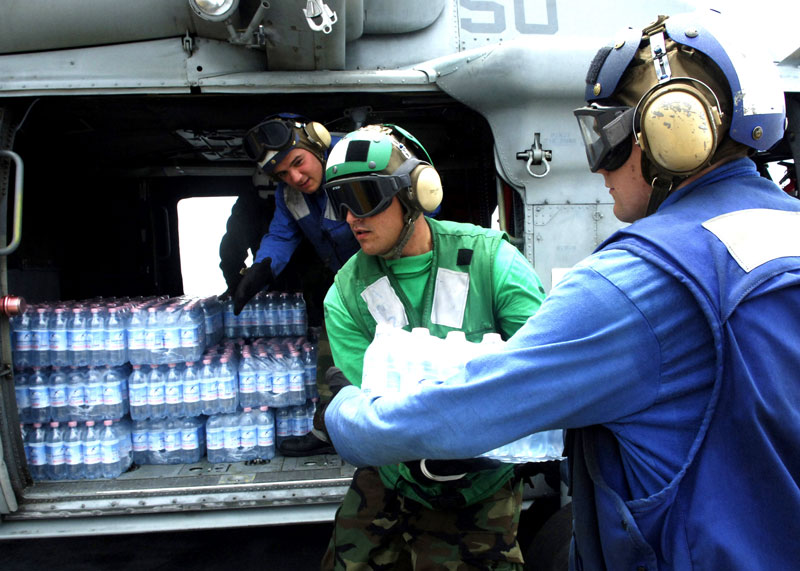
♳ PET bottles and containers play an important role in emergency response. When hurricanes, floods, earthquakes, or temporary system shutdowns disrupt access to safe drinking water and food, safe, lightweight, shatter-resistant PET packaging helps emergency responders quickly deliver essential supplies to affected communities. Regulatory agencies worldwide continue to approve PET for food contact, making it a trusted choice when safety, portability, and reliability matter most.
We're Doing a Job on the Economy
The PET industry is a growing field with a wide range of occupations available to job seekers.
- Packaging engineer
- Chemist
- Materials engineer
- Machine operator
- Manufacturing
- Construction
- Tool programmer
- Machinist
- Extruding/pressing
- Industrial designer
- Fabrication/assembly
- Maintenance
- Facilities manager
- Mechanical engineer
- Shipping/receiving
- Drafters
- Administration
- Data entry
- Sales engineer
- Human resources
- Computer technician
- Technical writer
- Accounting
- Logistics
- Recycler
- Process technician
- Mold maker
PET Jobs Make Dollars and Sense
Plastics industry average annual US wages by occupation.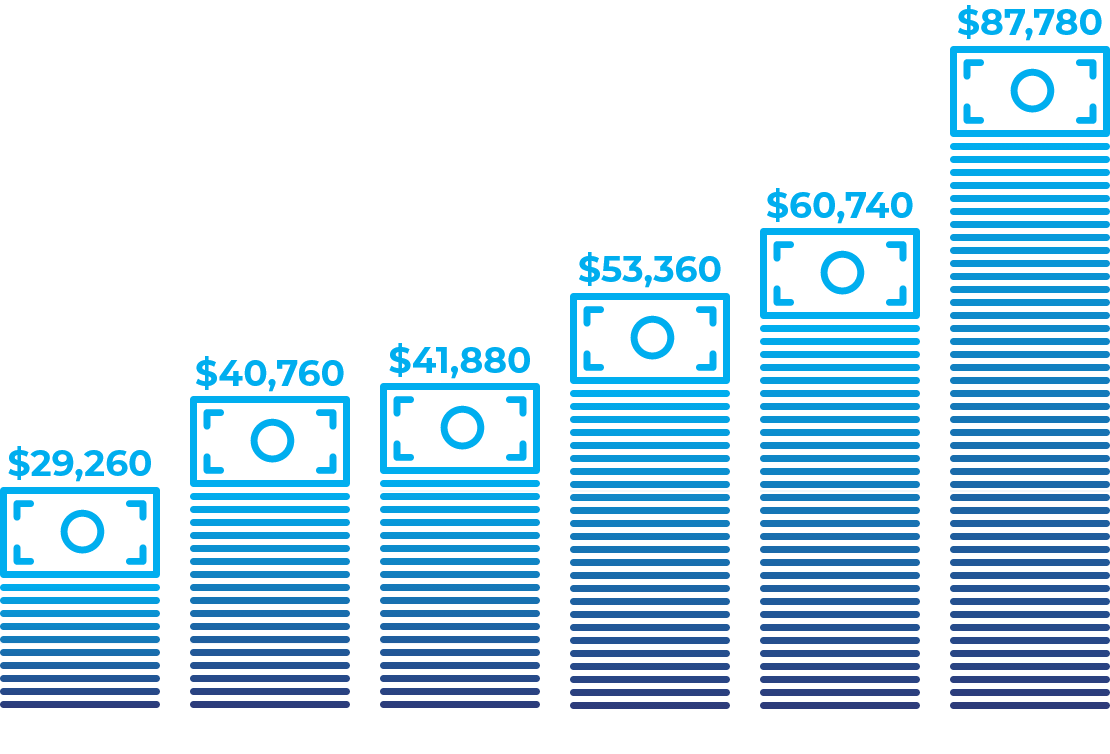
 Building Maintenance Building Maintenance |
$29,260 |
| Machinist |
$40,760 |
| Customer Service |
$41,880 |
| Drafter |
$53,360 |
| Purchasing Agent |
$60,740 |
| Materials Engineer |
$87,780 |