

Recycle Bowl
Every plastic bottle recycled on game day has the power to make an impact.

The Recycle Bowl is an annual game-day recycling initiative that encourages football fans to recycle PET plastic bottles, aluminum cans, paper, and other accepted materials while cheering on the Wolverines. By collecting recyclable materials at one of the nation’s largest sporting venues, the Recycle Bowl demonstrates how thousands of small actions can add up to measurable environmental results.
The University of Michigan has become a national leader in game-day recycling, showing what’s possible when fans, volunteers, and stadium partners work together to recover valuable materials and keep them in use.
Join us on October 24, 2026, as Michigan takes on Indiana in the Fourth Annual Recycle Bowl.
Together, let’s set another world record for game-day recycling.
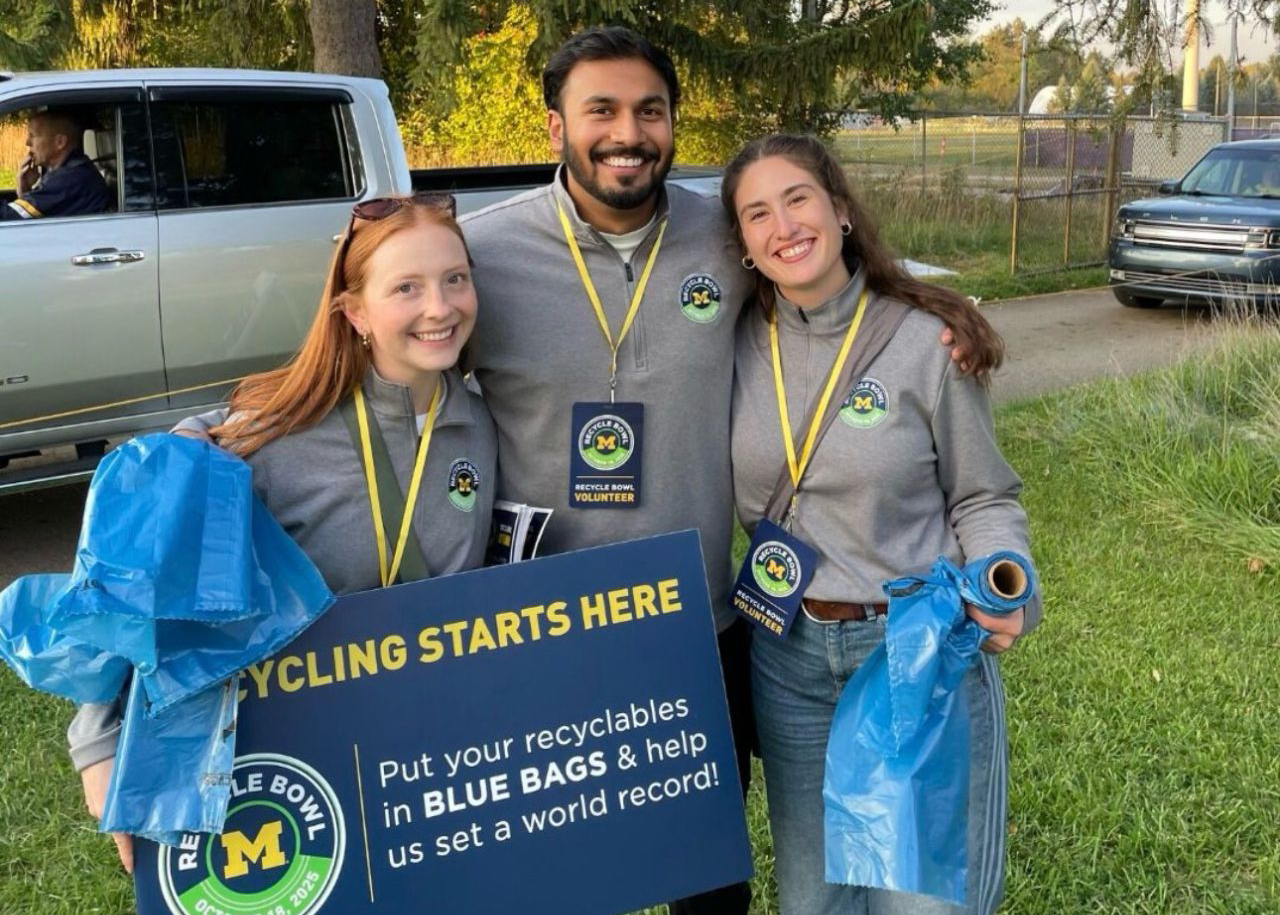
What is the Recycle Bowl?
An annual game-day recycling event at the University of Michigan that encourages fans to recycle throughout Michigan Stadium.
When is it?
October 24, 2026, during the Michigan vs. Indiana football game.
What can fans recycle?
PET plastic bottles (look for the #1 on the bottom ♳), aluminum cans, paper, and other accepted recyclable materials.
Why does it matter?
Every recyclable item placed in the correct bin helps recover valuable materials, reduce waste, and support a more circular economy.

The Recycle Bowl is Michigan Athletics’ annual sustainability initiative designed to demonstrate the power of recycling at one of the largest sporting venues in the country.
Launched in 2023, the event has quickly become a Big House tradition, bringing together fans, students, volunteers, and recycling partners to recover recyclable materials that might otherwise become waste.
Each year, the Recycle Bowl continues to grow. During the 2025 Michigan vs. Washington game, fans collected more than 23.5 tons of recyclables and compostables, setting a new world record for materials recovered during a college football game.
The event shows that when thousands of people make one simple choice—to recycle—it can have an extraordinary impact.
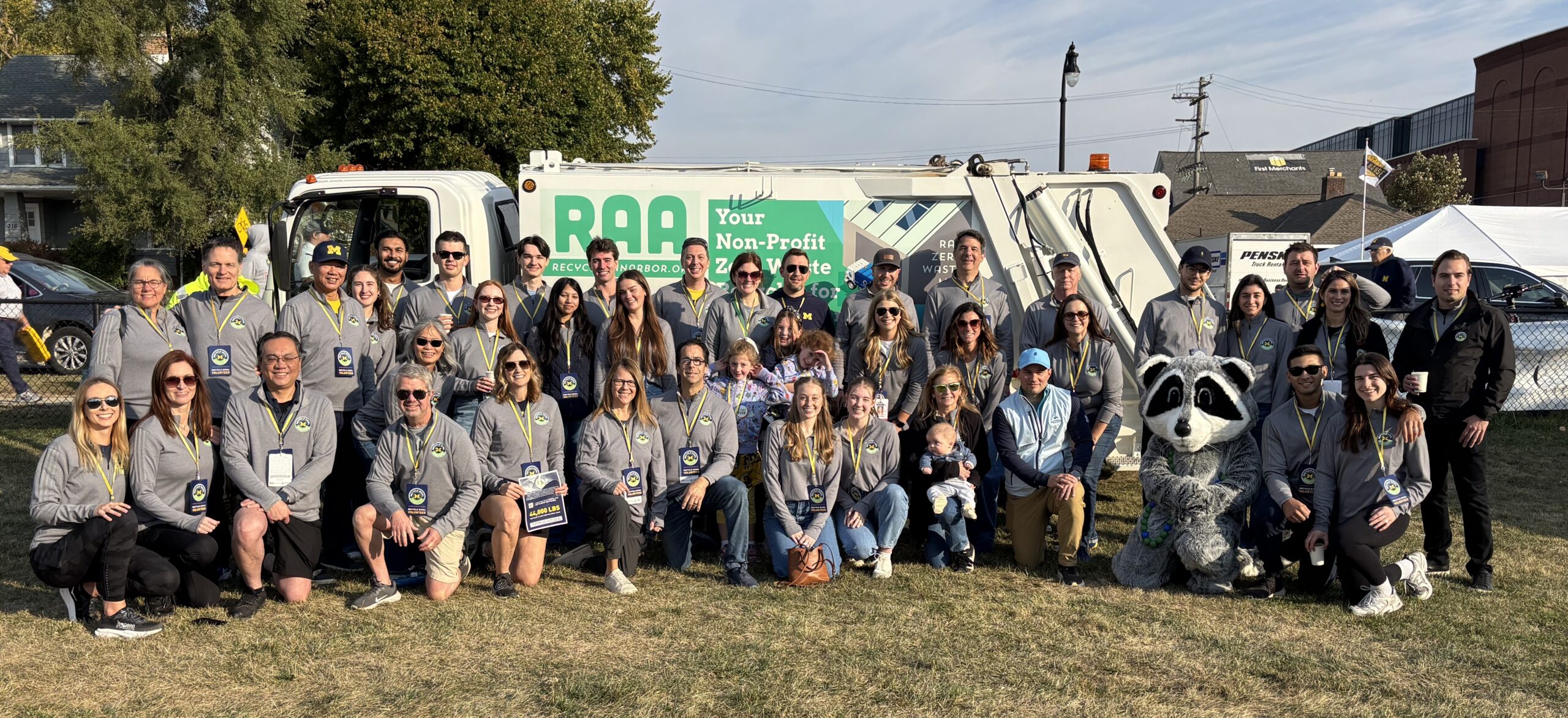
Sporting events generate large amounts of recyclable materials in just a few hours.
By placing bottles, cans, and paper into the correct recycling bins, fans help:
 Recover valuable recyclable materials
Reduce contamination in recycling streams
Keep recyclable materials out of landfills
Support a more circular economy
Demonstrate how communities can make a difference together
Every fan has an opportunity to contribute.

Look for clearly marked blue recycling bags and bins throughout Michigan Stadium and surrounding game-day areas.
Accepted recyclable materials include:
PET plastic bottles
Aluminum beverage cans
Paper products
Other accepted recyclables
If you’re carrying a plastic beverage bottle, check the bottom. If it has a #1 inside the triangle ♳, it’s made from PET (polyethylene terephthalate)—the most recycled plastic in the world.
Choosing the recycling bin instead of the trash helps ensure this valuable material can be used again.

PET (polyethylene terephthalate) is the plastic used to make many beverage bottles because it’s lightweight, durable, and designed to be recycled.
PET is:
♳ Identified by the #1 resin identification code
Accepted by most curbside recycling programs in North America
The most recycled plastic in the world
Used to make new bottles, food packaging, clothing fibers, carpet, and many other products after recycling
Every PET bottle recycled helps keep valuable materials in circulation and supports a more sustainable future.
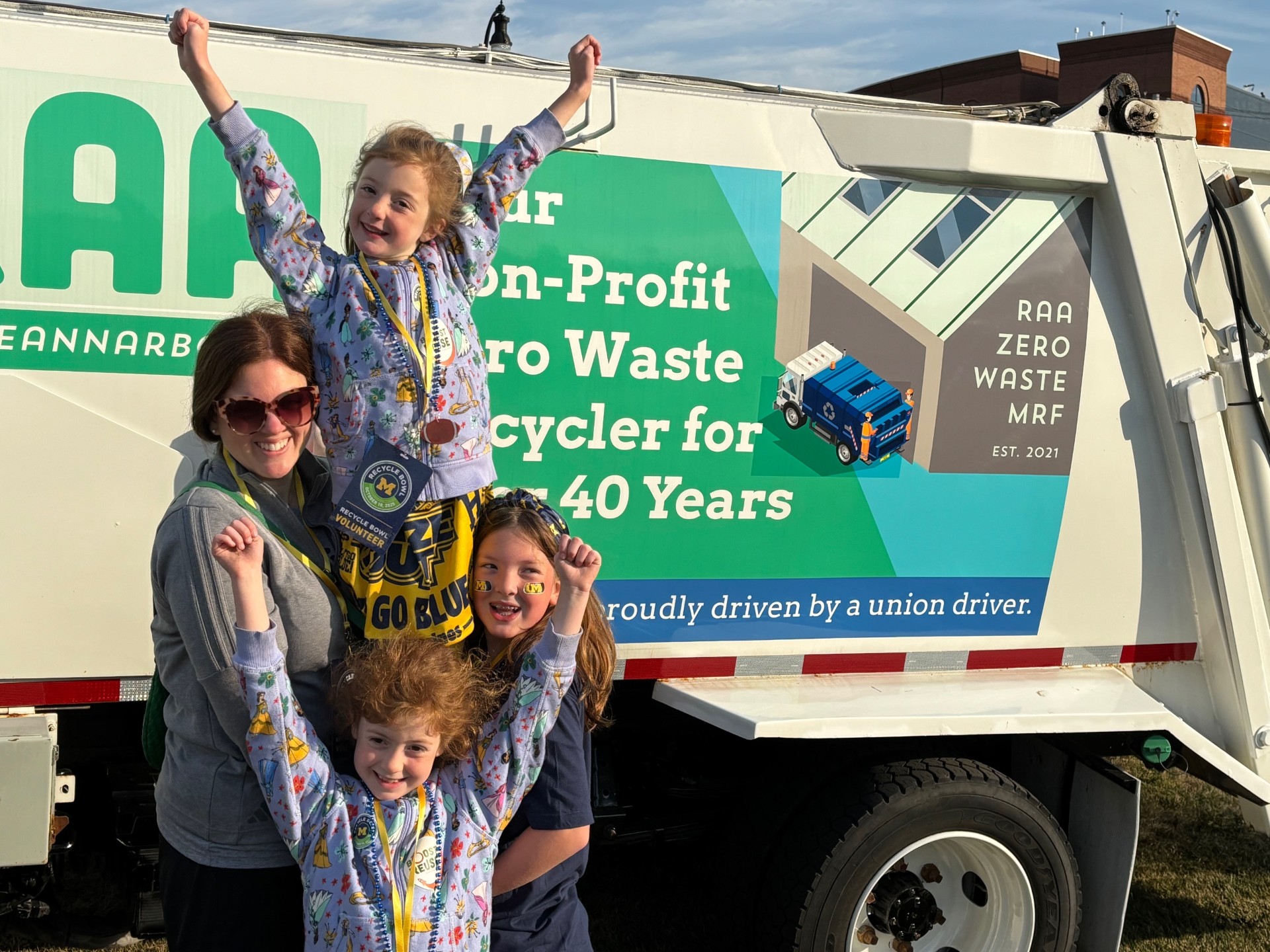
Ever wonder where your bottle goes after it leaves the recycling bin?
After collection, PET bottles are:
1. Collected from recycling bins
2. Sorted from other recyclable materials
3. Cleaned and processed
4. Turned into recycled PET
5. Manufactured into new products—including new beverage bottles
This process helps reduce waste while conserving valuable resources.
Last year, Michigan football players Jake Guarnera and Greg Crippen went behind the scenes at a recycling facility to find out — and learned how bottles get a second life.
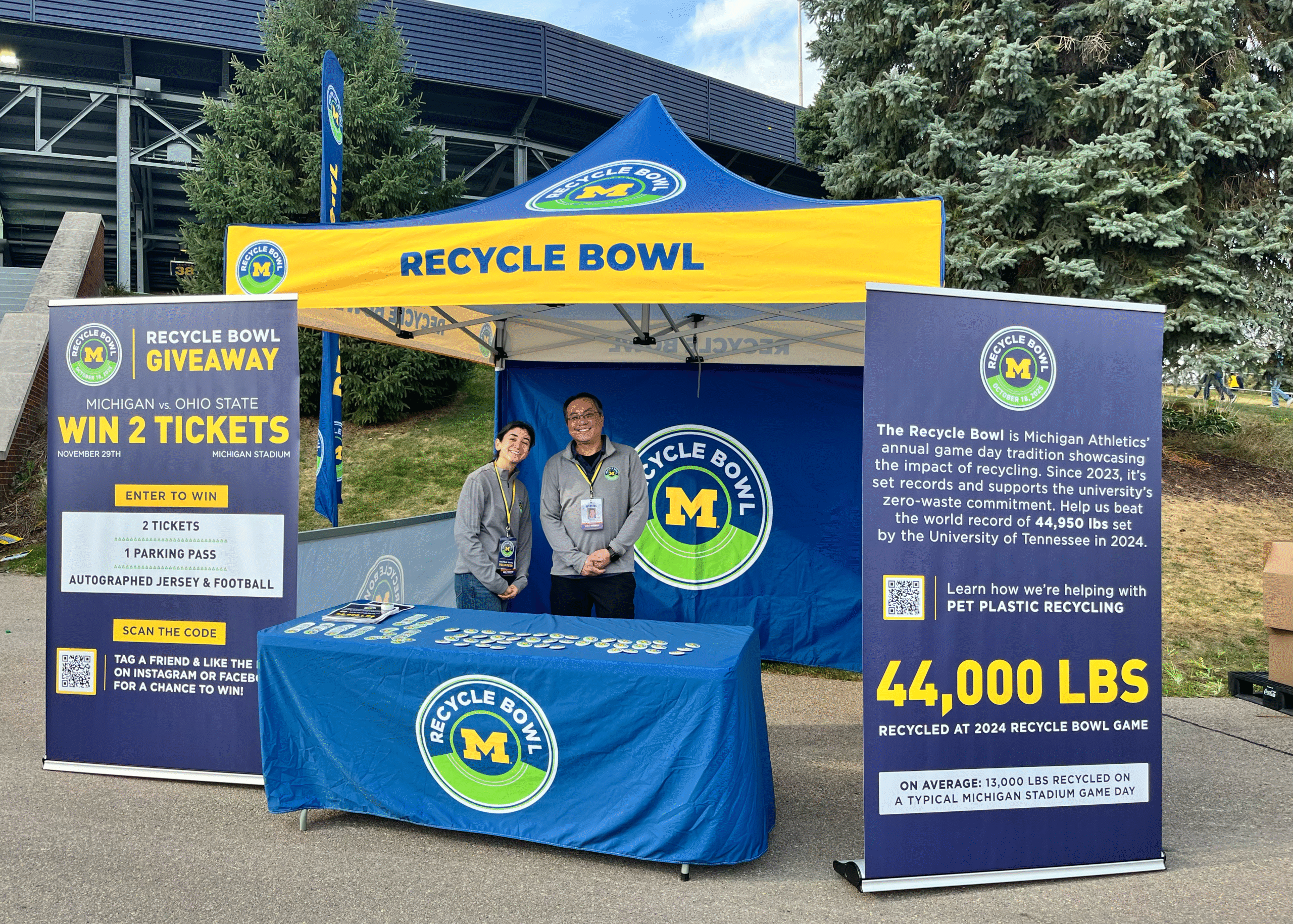
 PET Bottle Recycling Is Growing
The US PET bottle recycling rate reached 30.2% in 2024.
More Bottles Contain Recycled PET
The average recycled PET content in US bottles reached 15.9% in 2024.
 Lower Greenhouse Gas Emissions
A typical PET soda bottle has less than half the total greenhouse gas footprint of an aluminum can and about one-fifth that of a comparable glass bottle.
 PET Is Made to Be Remade
Recycled PET can become new bottles, food packaging, apparel, carpet, and many other everyday products.
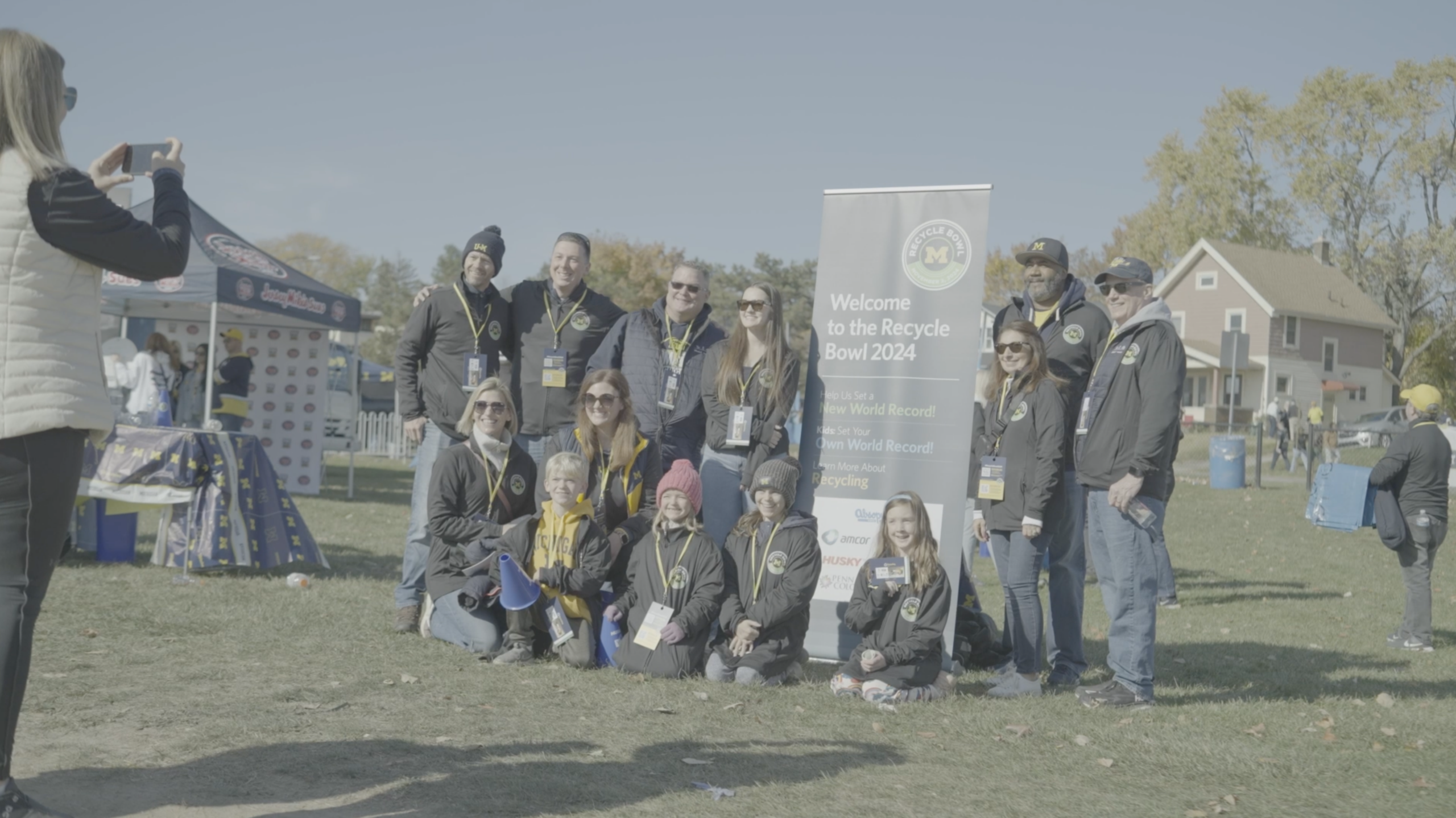
Whether you’re attending the Recycle Bowl or another sporting event, you can make a difference.
Look for blue recycling bags and bins
Empty your bottle before recycling it
Recycle PET bottles marked with the #1 inside the triangle ♳
Keep food and trash out of recycling bins whenever possible
Encourage family and friends to recycle, too
Every bottle recycled helps keep valuable materials in use and supports a more circular economy.

Want to learn more about how PET recycling works?
Explore these resources:
What Does the #1 Recycling Symbol ♳ Mean?
How Many Times Can a Plastic Bottle Be Recycled?
What Happens to a Plastic Bottle After You Recycle It?